01
Attract attention
Make the booth recognizable from the aisle and give visitors a clear reason to look closer.
One booth projectMultiple branded touchpointsOne coordinated brief
XZD Branding — Your Event Branding Sourcing Partner
Coordinate booth displays, staff and visitor materials from one project brief. Plan each touchpoint around the visitor journey while keeping artwork, brand color and campaign messages aligned.
For promotional product distributors, event agencies, exhibition companies and brand teams planning a coordinated booth.
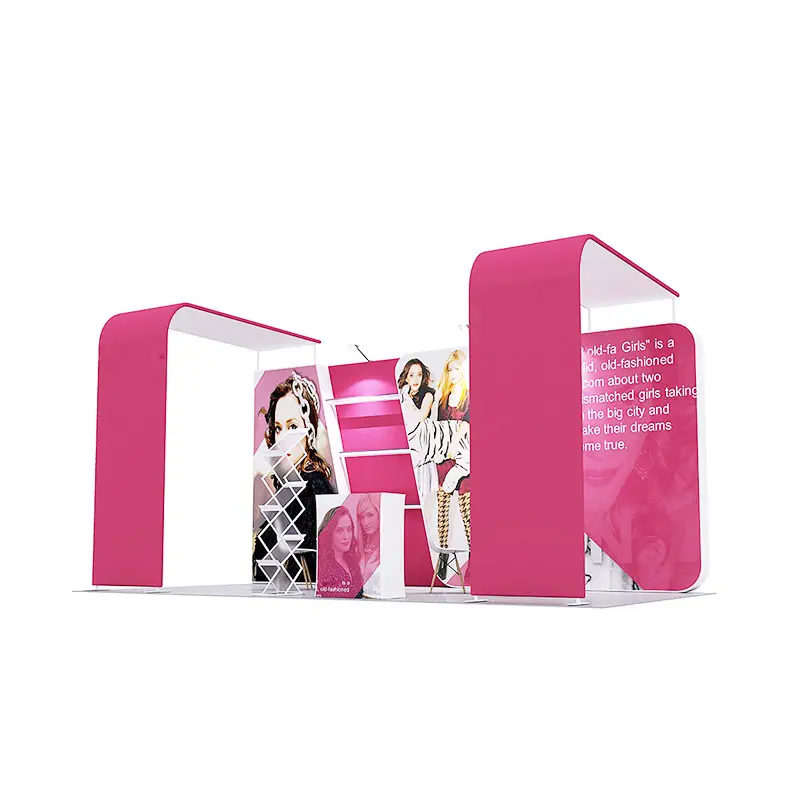
Common trade show booth branding products include backdrops, banner stands, light boxes, counters, table covers, flags, staff apparel, lanyards, bags and promotional products. The right mix depends on booth size, visitor flow, each display's role, staff needs, artwork and the takeaway strategy. Plan them as connected touchpoints rather than equal items in a catalog.
This Solution plans how products work together. The Trade Show Displays category compares display formats, while each product page covers its own configuration.
Start with the objective
Start with what the booth needs to achieve before choosing products. Your objective helps define the displays, visitor touchpoints, staff needs and takeaways that follow.
Make the booth recognizable from the aisle and give visitors a clear reason to look closer.
Use a focused hierarchy to communicate the booth headline, offer and product story quickly.
Organize reception, presentation and demonstration points around the conversations you want to create.
Make the booth team recognizable and give them a practical place to welcome and talk with visitors.
Decide what visitors receive, when it is handed over and how it continues the booth identity.
Coordinate color, artwork and messages so displays, staff items and takeaways belong to one project.
One campaign · one visitor journey
One project brief connects the space, artwork, audiences, products and event context. Not every booth needs every item; each stage is a decision point, not a required bundle.
Space, open sides and project context
The message visitors notice first
The booth background and structure
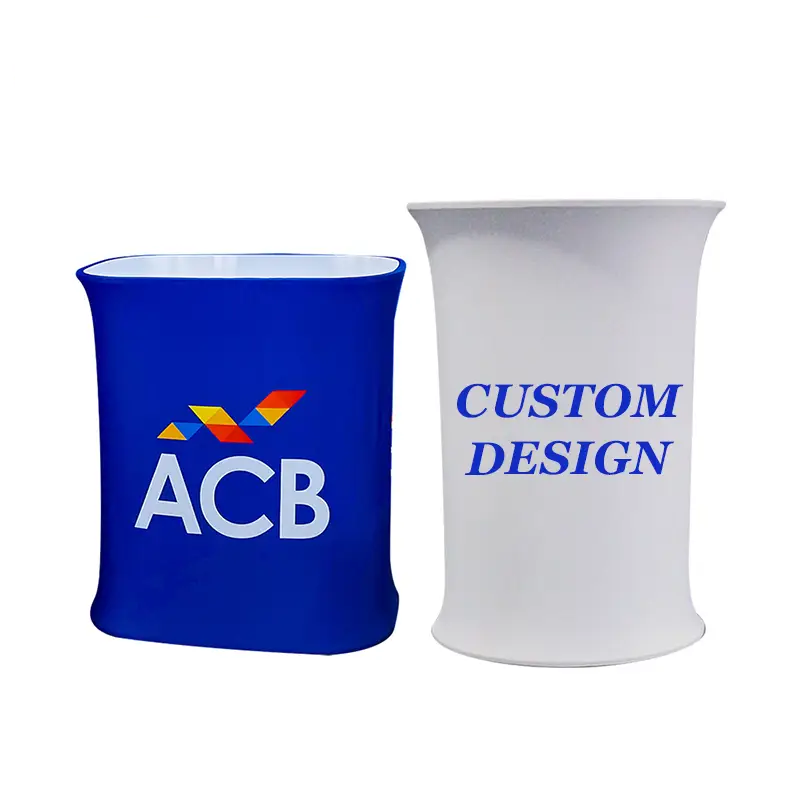
The staffed first interaction point
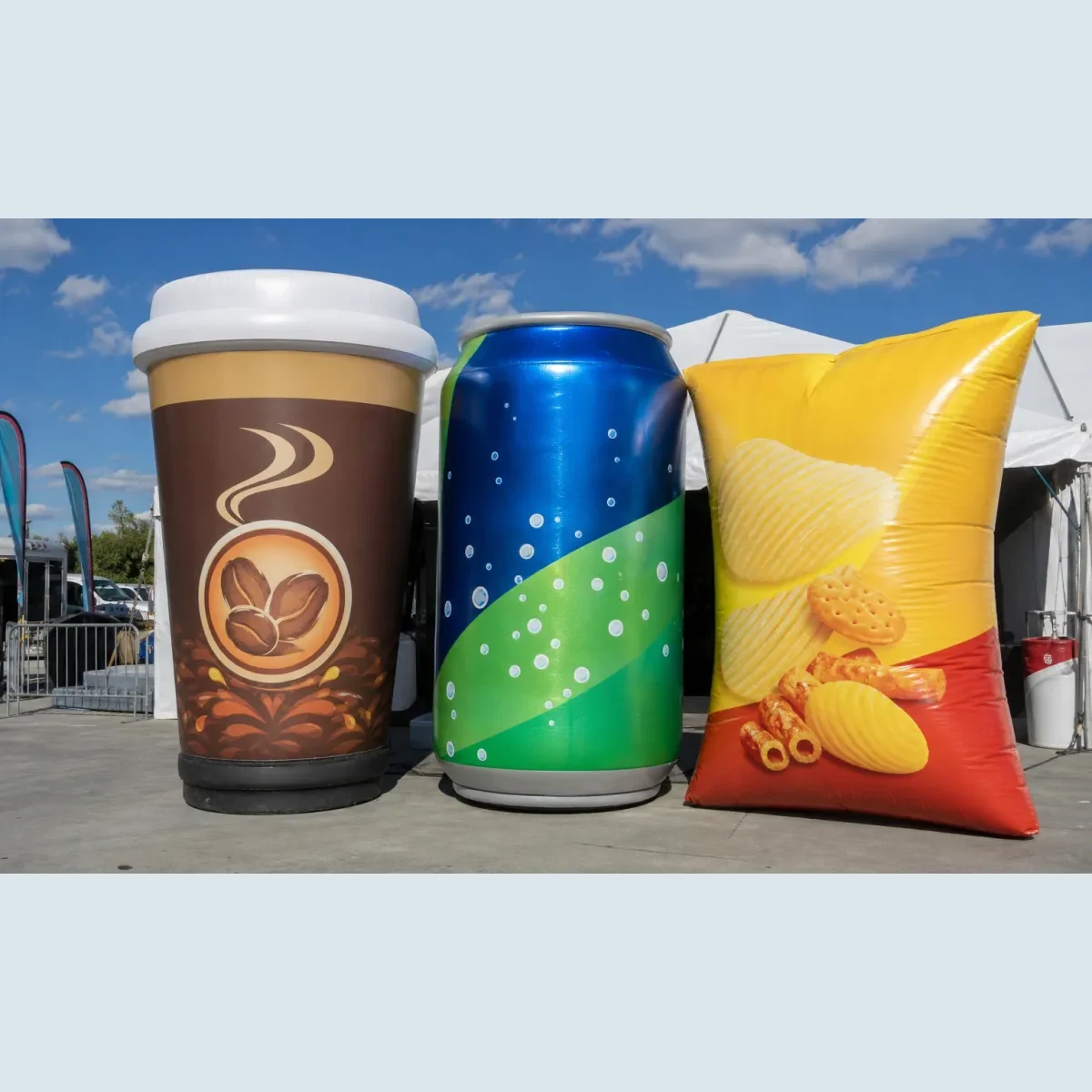
Conversation, demonstration or activation
A recognizable booth team
Useful post-conversation touchpoints
One hierarchy across every format
A readable multi-product brief
01 · Plan the booth
Establish the working context before choosing the display mix. This is project-planning guidance, not a technical booth-design or construction service.
Choose the closest context to frame your project. The final product mix can be adapted to your booth, visitors and event requirements.
Approach visibility
Choose the main aisle-facing message first, then select one or two display formats that give it the right visual role. Viewing direction and permitted placement should be checked for the event environment.
Flags and banners can support visibility where their placement and configuration are permitted by the venue or event.
Booth foundation
Start with the main background and the booth footprint. The wider booth-display product covers the physical display system; this Solution connects that system to staff, visitor interaction, takeaways and artwork.
First conversation
Give visitors a clear staffed point for introductions, literature, samples or product discussion. Choose the interaction surface around its job in the booth rather than treating it as a separate furniture list.
Conversation or activation
Plan the desired conversation, demonstration or sampling moment before adding more objects. A focused interaction point usually works harder than several unrelated features.
Product replicas are relevant only to selected activation concepts. Feasibility, proportions and the final structure are reviewed for the specific reference.
Cross-journey workstream
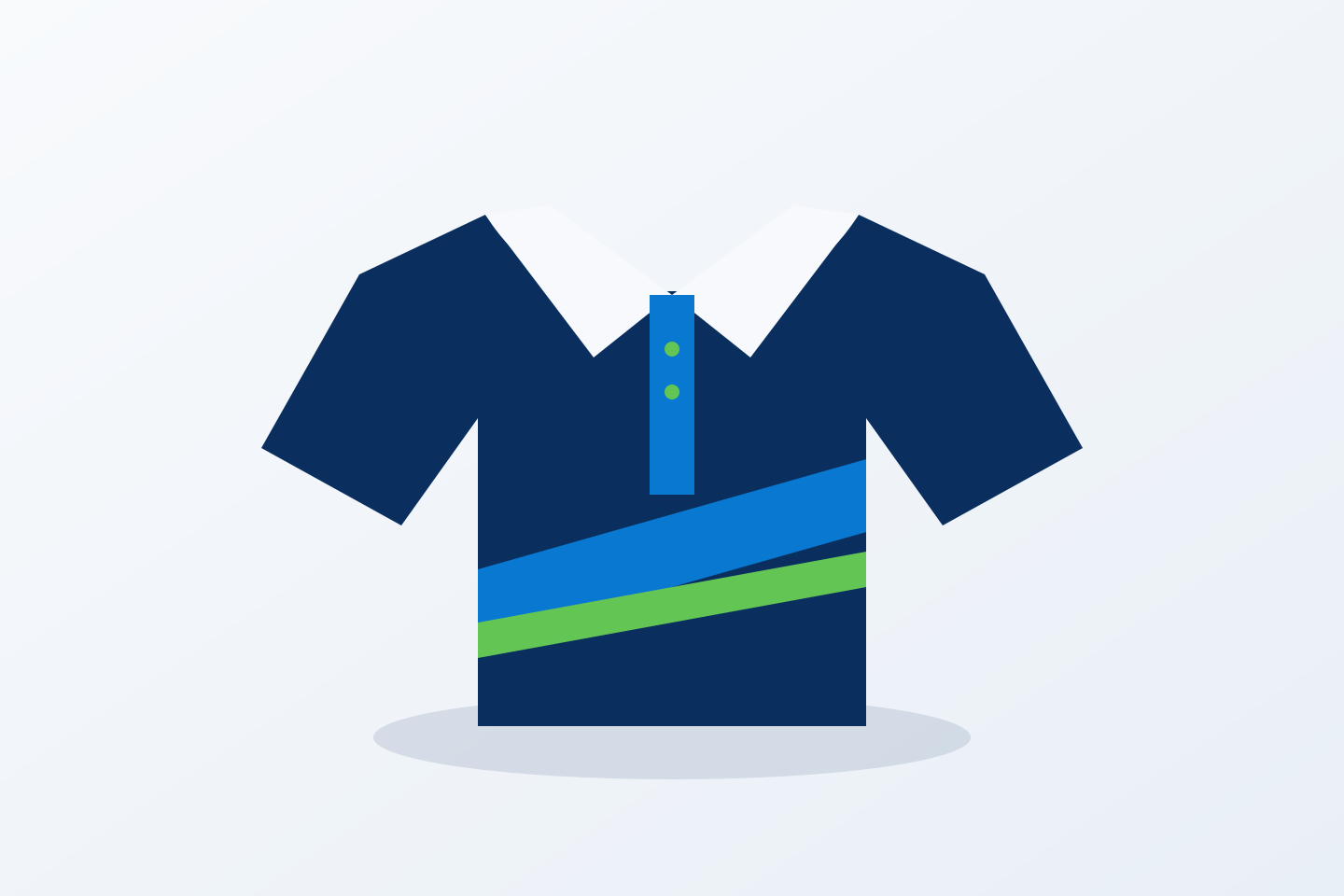
Coordinate apparel and identification around the staff roles, quantity and artwork. These items support the booth environment; they do not replace the displays that define it.
After the conversation
Choose takeaways around the recipient, distribution moment, intended contents and follow-up value. Keep the shortlist tied to the booth campaign rather than turning the plan into a generic gift catalog.
Example configuration
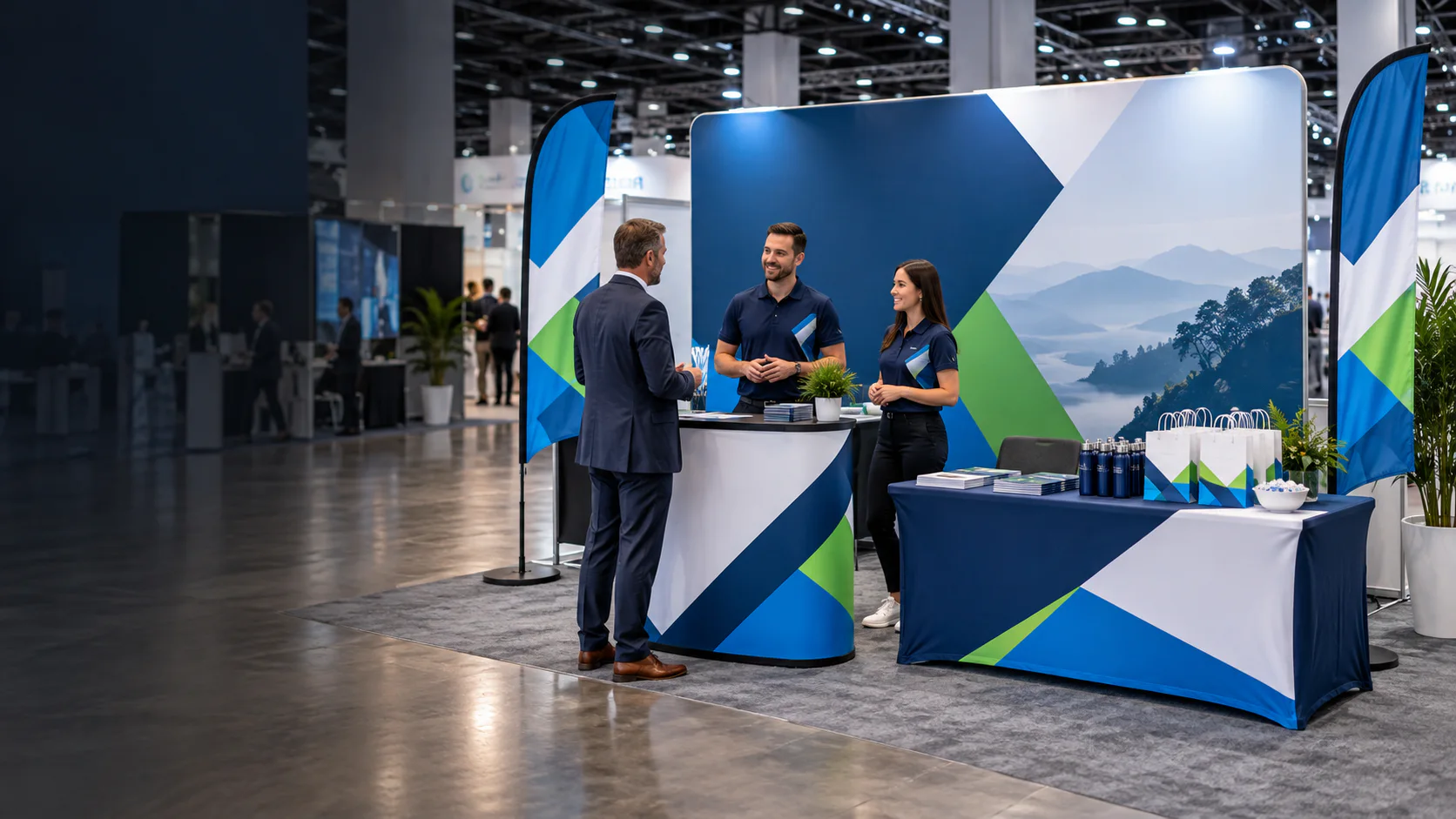
See how a main backdrop, staffed interaction point, supporting banner, staff identification and optional visitor items can fit into one illustrative planning configuration.
The example is not a completed customer project or a fixed product bundle.
See One Trade Show Branding Kit Example08 · Coordinate artwork & reuse
Start with the approved identity and booth headline, then adapt the hierarchy to each selected product template. Keep display, counter, staff and takeaway files distinct enough to review and approve clearly.
For reusable systems, identify the components, packing context and future event plan. Ask which selected display systems support replacement graphics, and share any setup or transport priorities that should be considered for future events.
The booth headline or main campaign idea
Context that helps visitors understand the offer
The specific story carried by selected display surfaces
Apparel and identification connected to the booth team
The final message visitors carry away
Multi-product coordination
A coordinated project can connect selected display formats, artwork versions, quantities, staff items and giveaways with the event date and destination. Product-specific details remain subject to the final confirmed scope.
Explore quality & project control09 · Prepare the trade show brief
Only the four fields shown as required are needed to start. Share the optional booth context whenever it is useful and available.
Plan My Trade ShowTrade show booth FAQ
This page owns the coordinated project questions. Product pages provide the next level of detail for individual items.
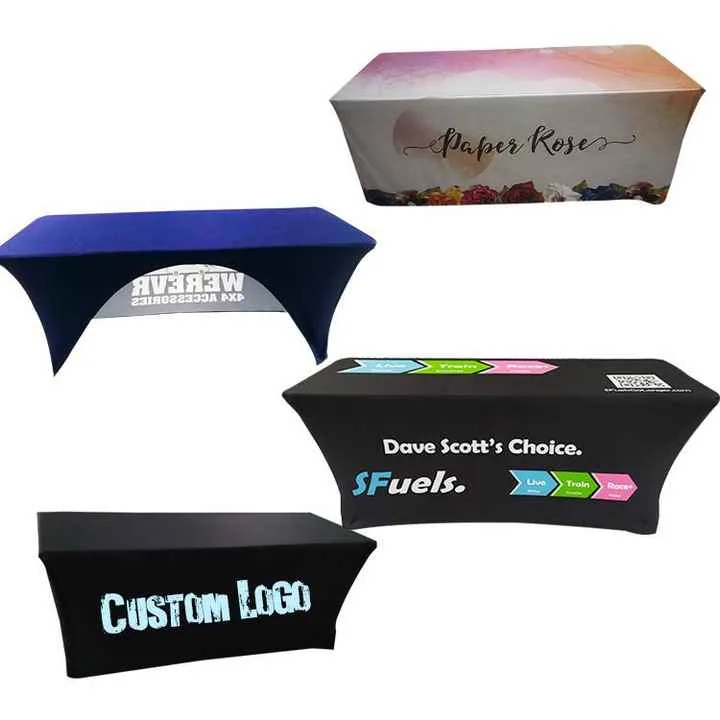
Common product families include backdrops, booth displays, banner stands, light boxes, counters, table covers, flags, staff apparel, lanyards, bags and selected promotional products. The mix depends on the booth space, visitor flow, display roles, staff needs, artwork and takeaway strategy.
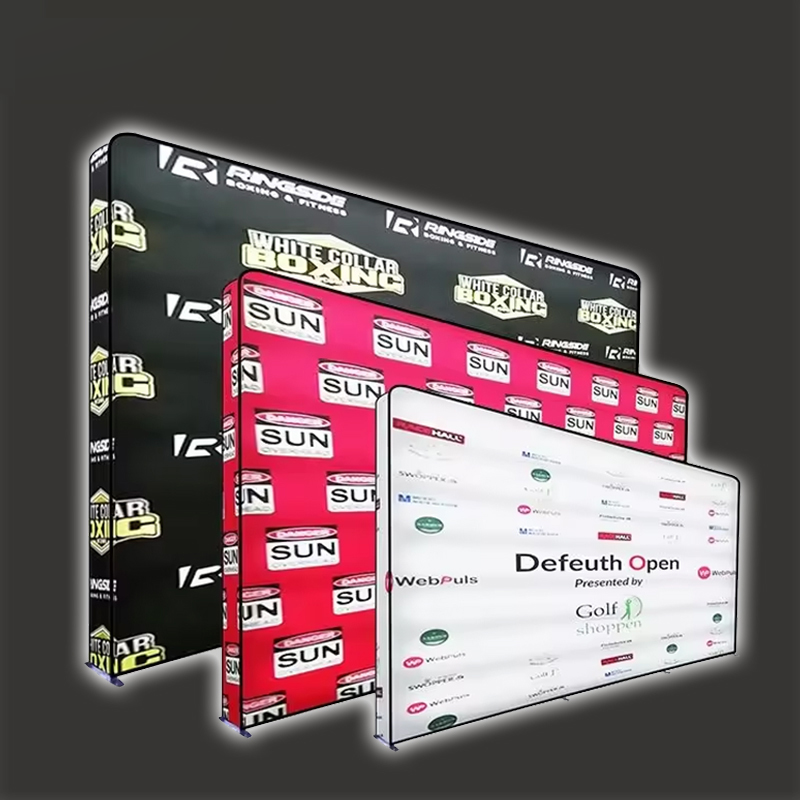
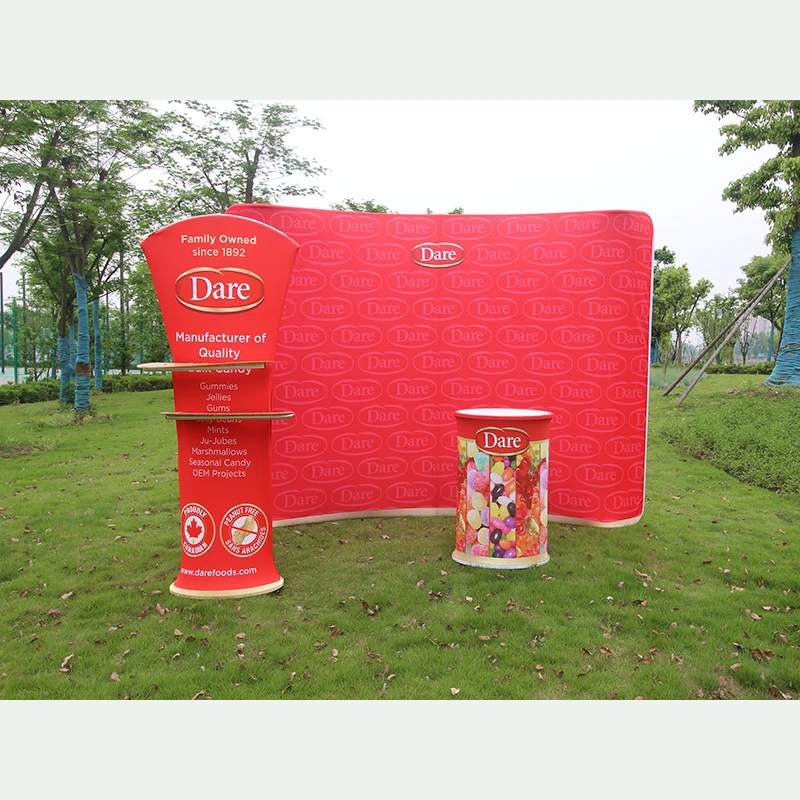
A tension fabric backdrop, pop-up display wall or wider booth-display system can provide the primary background. Choose the format around the available footprint, visible sides, graphic role and event context; the individual product pages cover the next level of format detail.
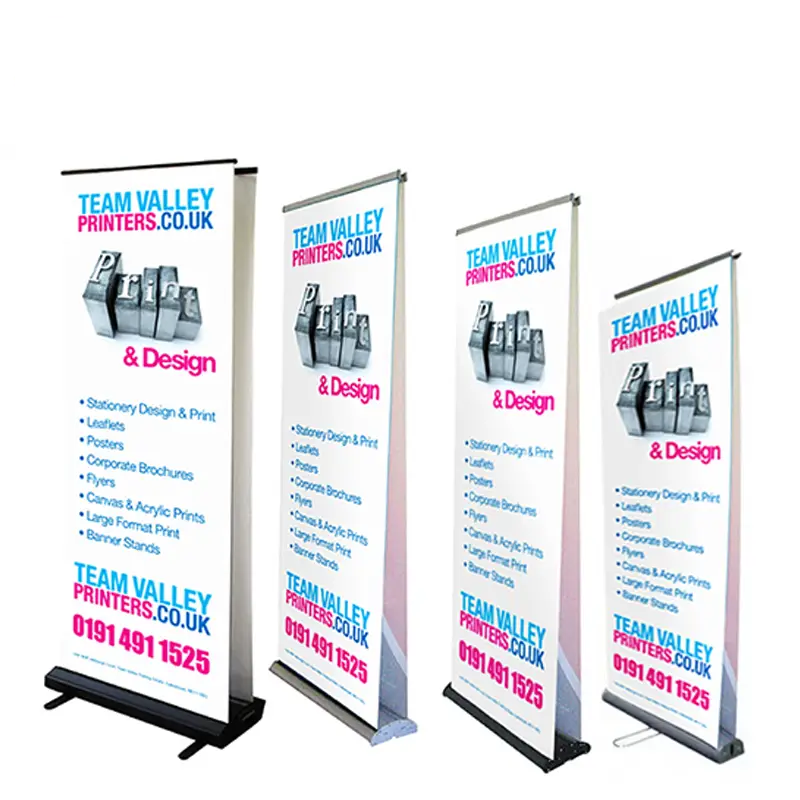
Start with one clear aisle-facing message. LED light boxes and retractable banner stands can give that message a prominent display role, while flags or event banners may support the approach where their placement is permitted by the venue or event.
A trade show counter or a suitable table with a branded cover can create the welcome point. A backdrop, light box or retractable banner can support the presentation behind it, while literature, samples or selected giveaways should be planned around the intended conversation.
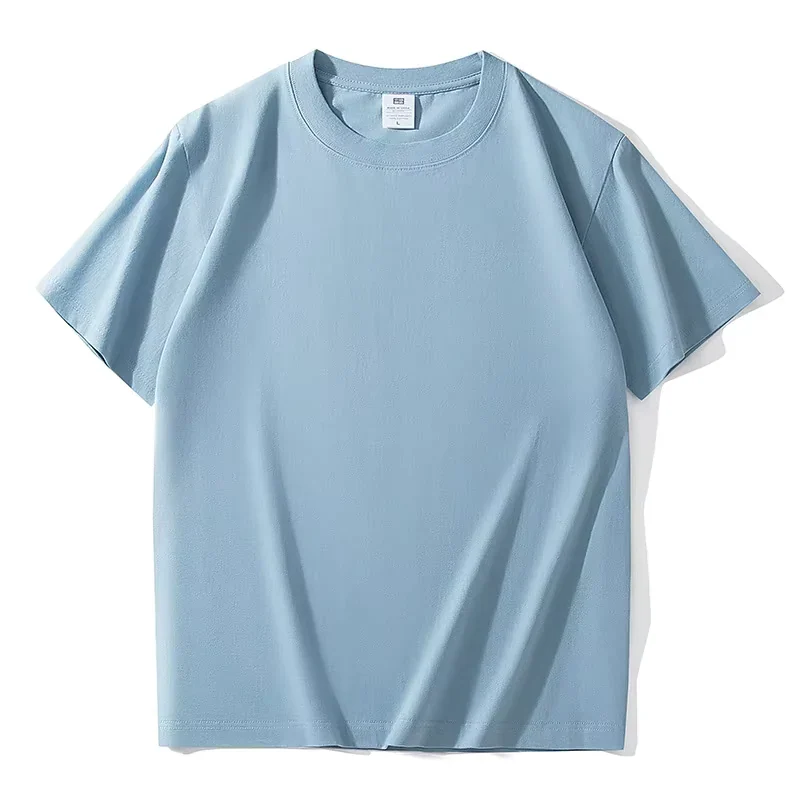
Polo shirts or event T-shirts can be coordinated with the booth graphics, with caps and lanyards added where relevant. Plan apparel by staff role, quantity, size breakdown, color direction and artwork rather than treating it as the booth structure.
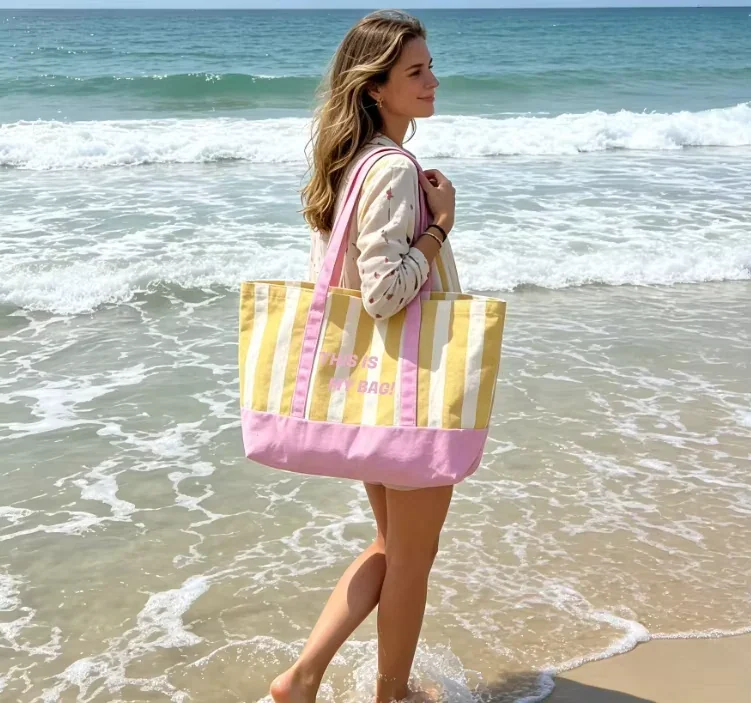
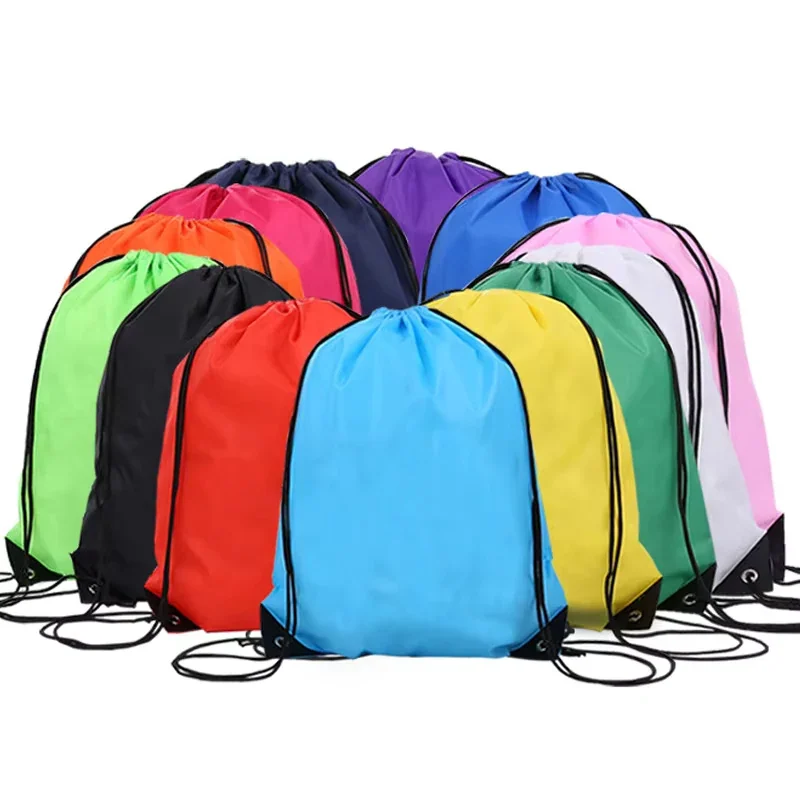
Tote bags, drawstring bags, keychains, lanyards and other selected promotional products can support the visitor journey. Choose them around the recipient, distribution moment, intended contents, quantity and connection to the campaign—not as a generic gift list.
Begin with the approved brand identity and booth headline, then adapt the message hierarchy to backdrop, counter, staff and takeaway templates. Keep artwork versions and approvals clear, and use product-specific templates rather than stretching one file across every format.
The form requires only name, business email, phone or WhatsApp, and requirements. If known, also include booth size, open sides or layout context, event date, destination, products needed, staff quantity, giveaway quantity and artwork status.
XZD Branding — Your Event Branding Sourcing Partner
Share the booth context, products, staff and visitor touchpoints you are considering. Start with what you know and keep the product mix flexible.